Call: (212) 877-7929
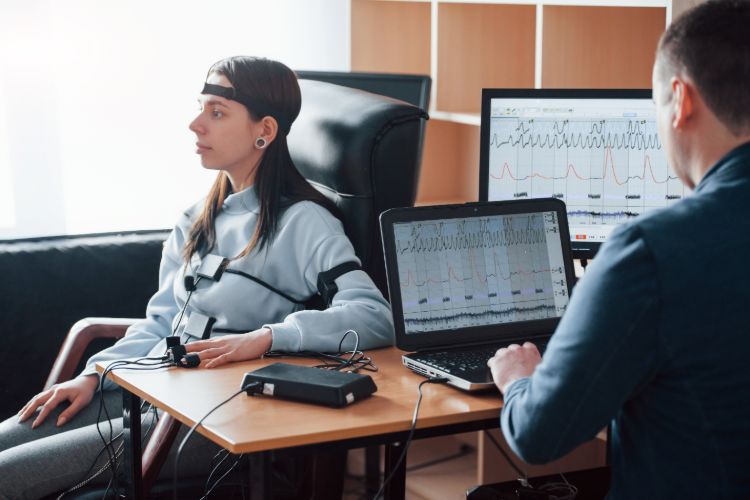
Neurofeedback is an increasingly popular therapeutic modality used to help individuals improve mental and emotional well-being by training the brain to function more efficiently. The process involves using real-time feedback from brainwave data to guide clients toward healthier brainwave patterns, addressing conditions such as anxiety, ADHD, insomnia, and PTSD.
As neurofeedback grows in popularity, a key question arises: who is eligible to administer neurofeedback?
In this blog, we’ll break down the roles of the individuals involved in neurofeedback therapy, including the neurofeedback clinician, technician, and others who may administer treatment. We’ll also explain who is qualified to interpret data, make recommendations, and oversee treatment adjustments.

When we talk about “administering” neurofeedback, we’re referring to the actual delivery of the therapy, which involves both technical operation and clinical interpretation. Both clinicians and technicians are involved, but their roles differ significantly in scope and responsibility.
In general, only properly trained professionals—clinicians or technicians—should administer neurofeedback to ensure the process is safe and effective. Let’s look at the specific roles involved.
A neurofeedback clinician is a licensed professional, such as a psychologist, psychiatrist, therapist, or medical doctor, who has received additional training to integrate it into their practice.
Eligibility: Neurofeedback clinicians must have the appropriate professional credentials, such as licensed psychologists, psychiatrists, or therapists. These professionals are responsible for diagnosing mental health conditions, creating treatment plans, and managing the overall therapeutic process.
Responsibilities:
Can Clinicians Administer Neurofeedback?
Yes, licensed clinicians can administer neurofeedback, as they are trained to operate the technology and integrate it into a broader therapeutic context. They are also responsible for interpreting the data and making clinical decisions based on the client’s needs.
A neurofeedback technician is trained in the technical aspects of neurofeedback and is responsible for setting up, operating, and maintaining the equipment during sessions.
Eligibility: Technicians do not need to have a clinical background, but they must complete specialized training in neurofeedback technology and become certified. Most technicians obtain certification through organizations such as the Biofeedback Certification International Alliance (BCIA). This training focuses on the technical operation of EEG equipment, understanding basic brainwave patterns, and ensuring the smooth execution of neurofeedback sessions.
Responsibilities:
Can Technicians Administer Neurofeedback?
Technicians are qualified to administer neurofeedback sessions, but only under the supervision of a licensed clinician. They focus on the technical aspects of the therapy, ensuring that the equipment functions properly and that the client’s experience goes smoothly. However, technicians do not diagnose conditions, interpret EEG data, or adjust treatment protocols.
In some cases, other licensed professionals—such as occupational therapists or nurses—may also administer neurofeedback, provided they have completed the necessary training. These professionals may be authorized to deliver neurofeedback within their scope of practice, working under the guidance of a licensed clinician.
Can Other Professionals Administer Neurofeedback?
Yes, licensed professionals like occupational therapists or nurses can administer neurofeedback if they have completed the necessary training. They must also follow the treatment plan developed by the clinician and stay within their professional boundaries.

One of the key responsibilities in neurofeedback is interpreting the data collected during a session and making recommendations based on that data. This is where the role of the clinician becomes critical.
Neurofeedback clinicians are the primary individuals responsible for interpreting the EEG data. They are trained to understand the brainwave patterns that appear during sessions and use this information to assess the effectiveness of the treatment and make decisions about adjusting the protocol. For example, if a client is not responding well to a certain neurofeedback protocol, the clinician may change the training parameters, such as altering the brainwave frequencies targeted during treatment.
Technicians, on the other hand, do not interpret the data. Their job is to monitor the equipment and ensure it’s functioning correctly. They record session data but do not make clinical judgments or recommendations based on that data. Any treatment plan or protocol adjustments must come from the clinician, who has the necessary training and expertise.
When Do Recommendations Come Into Play?
Recommendations for adjusting neurofeedback treatment are based on data interpretation and clinical judgment. After reviewing the data, clinicians can recommend modifications to the neurofeedback protocol, such as adjusting the frequency of brainwave training or changing the client's treatment focus. These adjustments ensure the client is progressing toward their therapeutic goals.
Clinicians who wish to integrate neurofeedback into their practice must receive specialized training in the technique. While the required qualifications may vary depending on the professional’s background (e.g., psychologist, psychiatrist), most clinicians pursuing neurofeedback certification complete coursework, hands-on training, and exams through organizations like the BCIA. This certification allows clinicians to use neurofeedback as part of their broader therapeutic practice.
Neurofeedback technicians typically undergo a certification process that focuses on the technical aspects of neurofeedback, including operating EEG equipment and understanding basic brainwave activity. Certification programs often require a combination of coursework and supervised practice. The BCIA offers a certification program specifically for neurofeedback technicians, which is widely recognized in the field.
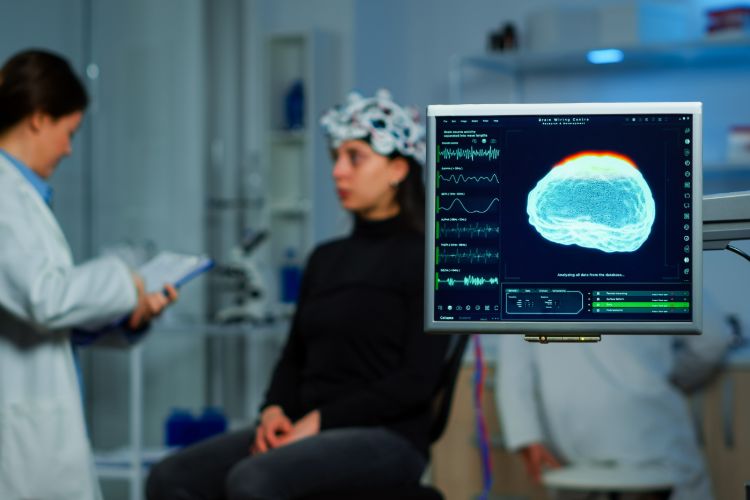
Yes, most people can learn to administer neurofeedback with the right training. Clinicians with backgrounds in mental health or medicine can expand their expertise by completing specialized neurofeedback training and certification. Technicians, even without a clinical background, can pursue certification through programs focusing on neurofeedback's technical aspects.
However, only clinicians can make clinical decisions, diagnose mental health conditions, and prescribe treatment. Technicians are limited to the technical execution of neurofeedback.
Neurofeedback is a collaborative process that involves both trained clinicians and certified technicians, each playing distinct roles. Clinicians are responsible for diagnosing, interpreting data, and adjusting treatment plans, while technicians focus on the technical execution of neurofeedback sessions.
Proper training, certification, and a clear understanding of each professional’s role are essential for ensuring neurofeedback is administered effectively and safely. Whether you are interested in becoming a neurofeedback technician or clinician or seeking neurofeedback treatment, understanding these roles ensures the best outcomes for clients.
Elevate your neurofeedback practice with Infraslow Associates' specialized training courses for clinicians. Advance your skills, deepen your expertise, and provide exceptional care with our comprehensive programs.
