Call: (212) 877-7929
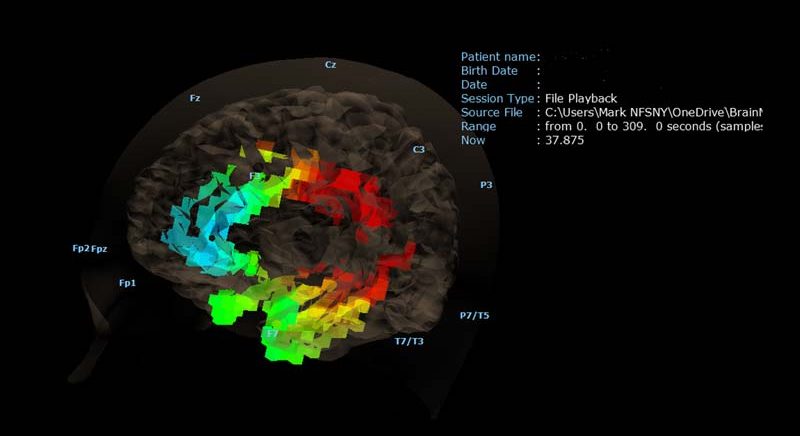
A recent HealthTech Reporter interview, featuring Mark Smith, highlights not only the effectiveness of neurofeedback, but also the growing demand among practitioners who want to learn and implement this approach in their own work.
In our work at ISF Associates, we frame neurofeedback as more than just a tool, it’s a functional system for understanding and regulating brain activity across a wide range of conditions. For therapists, this opens the door to a deeper level of intervention that goes beyond symptom management and into direct physiological regulation.

One of the core ideas emphasized in the interview is that many conditions, ADHD, anxiety, PTSD, mood disorders, and cognitive decline, share a common root: dysregulated brain function. We teach practitioners to move away from diagnosis-specific thinking and instead focus on:
This shift allows clinicians to apply neurofeedback across diverse client populations using a unified, systems-based framework.
Through our workshops and mentorship, we train clinicians in both the technical and clinical application of neurofeedback. Key areas of focus include:
Practitioners learn how to use QEEG brain mapping to:
This moves neurofeedback from a trial-and-error approach to a more data-informed process.
We emphasize neurofeedback as a conditioning process, where the brain learns through feedback and repetition. Clinicians are trained to:
A major component of our methodology is helping practitioners understand and work with the autonomic nervous system, particularly: Sympathetic (fight-or-flight) dominance and Parasympathetic (rest-and-recovery) function. Using techniques such as infraslow frequency training, clinicians learn how to help clients:
Our approach is not about replacing existing modalities, but enhancing them. As clients become more regulated, therapists often find:
This creates a more cohesive bridge between insight and physiology.
What sets our training apart is the emphasis on practical implementation. Through mentorship, practitioners are supported with case-based learning, real-world examples, and guidance on protocol selection and adjustments, helping them build confidence in working with complex cases. Our goal is not just to help practitioners understand neurofeedback, but to ensure they can apply it effectively in clinical practice.
At the same time, neurofeedback aligns with a broader shift in healthcare toward non-invasive, personalized, and function-based care. For therapists, this represents a meaningful opportunity to expand their skillset and offer clients a more complete path to regulation, recovery, and performance.
In our view, neurofeedback is both a powerful clinical tool and a teachable system, one that practitioners can learn, refine, and integrate into their existing work. For those looking to go beyond traditional approaches and work more directly with brain function, our workshops and mentorship provide a clear path forward.
Read the full interview here:
https://healthtechreporter.blogspot.com/2026/04/neurofeedback-101.html
View our Live Workshops here: https://isfassociates.com/neurofeedback-workshops/
Or, get started with mentoring sessions: https://isfassociates.com/neurofeedback-mentoring/
