Call: (212) 877-7929
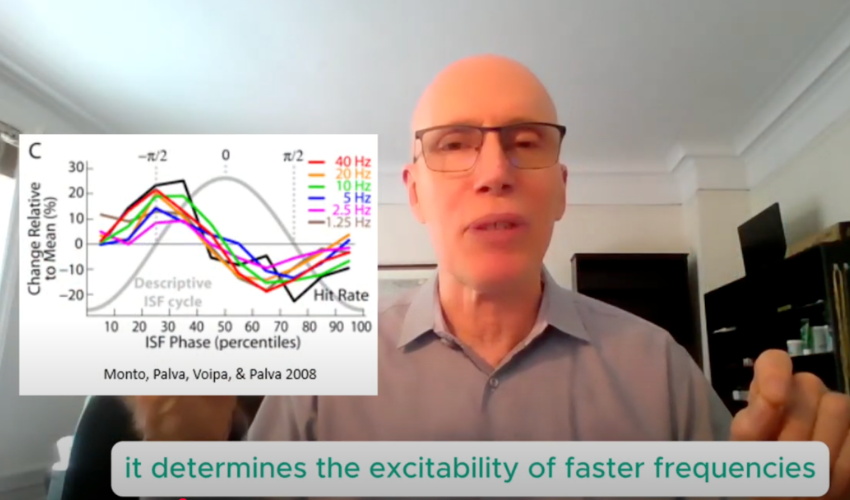
Infraslow Fluctuation (ISF) Neurofeedback represents one of the most advanced and foundational methods in the field of brain training. Unlike traditional neurofeedback, which targets faster frequencies like alpha or beta waves, ISF focuses on the slowest electrical signals in the brain—frequencies measured below 0.1 Hz.
These slow rhythms are critically important. They regulate the excitability of faster frequencies, much like a thermostat controls the level of heat in a room. By influencing these foundational dynamics, ISF training helps modulate a wide range of cognitive, emotional, and physiological processes.
ISF training requires specialized hardware—most importantly, a DC-coupled EEG amplifier. Unlike standard AC-coupled systems, DC-coupled amplifiers can measure the incredibly small, slow shifts in electrical potential that define infraslow activity.
This level of precision allows clinicians to:
The infraslow frequency range is directly tied to the autonomic nervous system, which includes the sympathetic (fight or flight) and parasympathetic (rest and digest) branches. ISF training enables the clinician to either upregulate or downregulate these systems through brain-based conditioning—without invasive techniques or external input.
For example, training the dACC—a key region involved in sympathetic drive—can lead to a reduction in physiological hyperarousal. Clients report feeling calmer, less reactive, and more grounded in daily life.
ISF Neurofeedback also plays a powerful role in strengthening communication between major brain networks. These include the:
Poor connectivity between these networks is associated with executive dysfunction, attention problems, and emotional dysregulation. ISF training addresses this by restoring synchrony across brain systems—at the same rhythm used in functional MRI (fMRI), though achieved through EEG.
ISF Neurofeedback has demonstrated significant impact across a wide range of issues, including:
Because infraslow frequencies underlie nearly all brain activity, training at this level allows for deep, systemic regulation rather than superficial symptom suppression.
While other methods—like SMR (12–15 Hz), alpha-theta training, and Z-score protocols—target specific frequency bands or normative metrics, ISF Neurofeedback stands apart for its central role in behavioral regulation. It trains the architecture beneath cognition, allowing all other brain functions to stabilize and operate more effectively.
ISF Associates offers expert-level training and consulting using the latest technology and research in ISF neurofeedback. Contact us to learn more!
